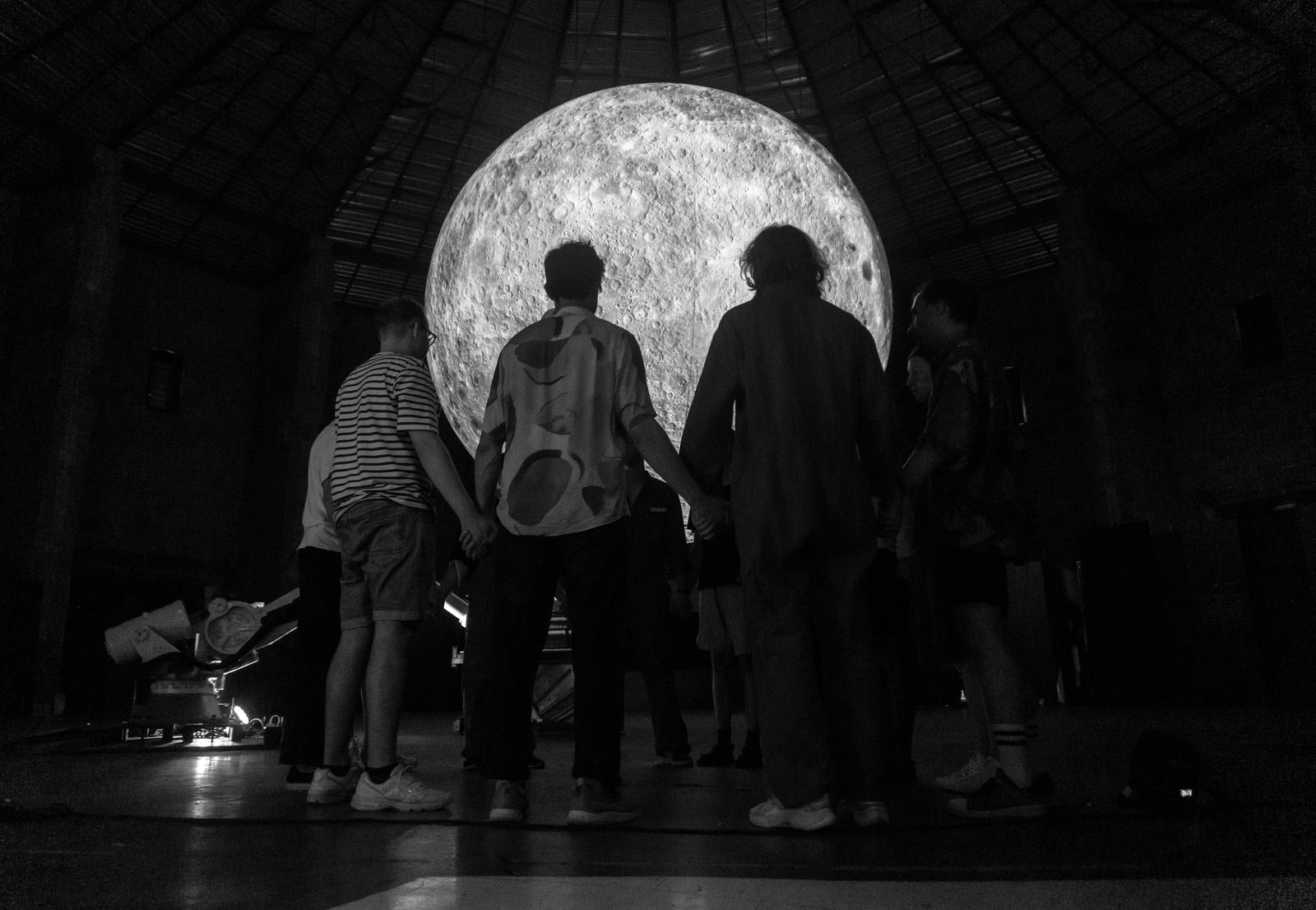
How "Robot Kostya" came about — Russia's first robotic theatre production, where it turned out Chekhovian passions were within a robot's range after all.
Not everyone gets to become the subject of art. And yet so much of it comes down to circumstance that, given the right light, anyone can.
That's part of what making things is: building contexts that touch people, and solutions that make them think.
There's not much point explaining that theatre went off in every possible direction a long time ago, so you're unlikely to be shocked that Chekhovian passions are within a robot's range too. Writing that, I can see how mean and shallow every definition turns out to be.
Robots can do anything, of course, and before long they may well do us too. That was part of what I wanted to work out — and I ended up on a project where I doubted and feared my own place in it.
For now, feeling is still what marks us out, and bringing a robot to life is not a small job. Giving it a character, and the odd quirk, only happens by looking for new forms and new meanings.
I was lucky in the people around me — everyone was running on real voltage. Professionals, yes, but also genuinely alight, and clear that this mattered.
We could have shrugged and let it go, and the whole thing would have slipped away. Everyone has their strong and weak points, and somehow it still came together — and there was a play.
To my mind it's better than that. From the inside, every image landed, and when the audience turned up I was slightly envious of them, and of myself, for being anywhere near it.
It's all in the details, and I still don't quite see how what happened to our team happened. All our eyes ran together and became the Robot's.
His name is Kostya, by the way — Kostya Treplev. You know the story: he loves Nina, and she turns him down for something you can't put a hand on. Great feeling meets great cold.
The rest of us go on writing for a desk drawer, and it's anyone's guess which of us is Trigorin and which is headed for obscurity.
I hardly need to spell out that we moved somewhere, worked something out, and that this play left us different. Whether the robots understood us is uncertain, as is whether we understood these strange, oddly familiar "non-human agents."
So it goes on, and it comes back round to the same place. All that's left is deciding where the emphasis falls.
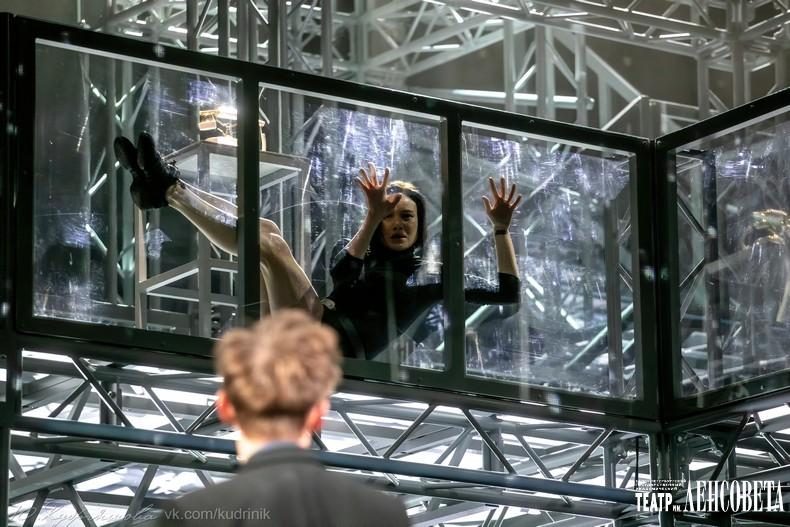
Not a recommendation but an attempt to think it through — written straight after the run at the Lensoviet Theatre.
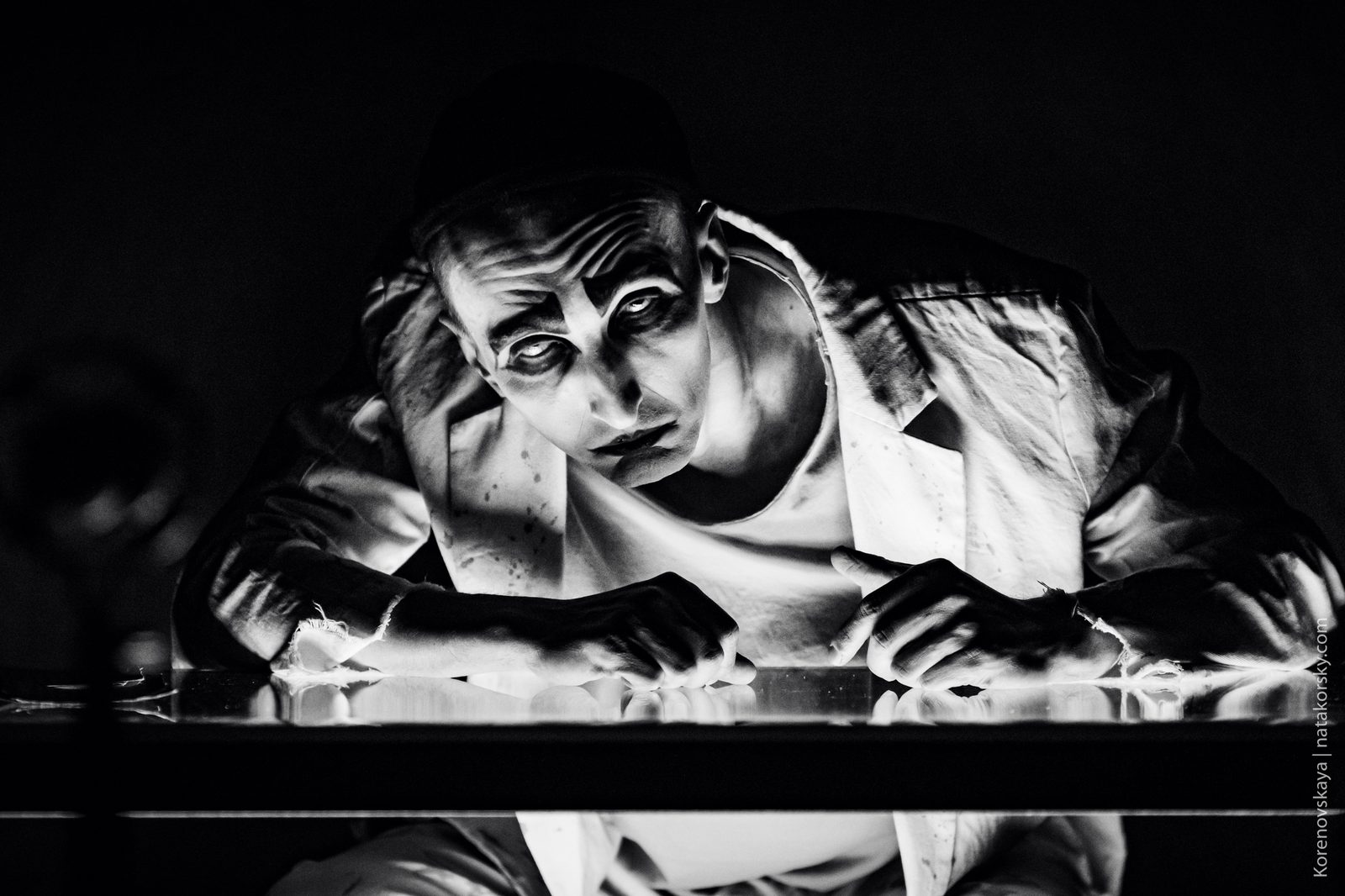
Vertinsky in the flesh on the Seventh Tier of the Alexandrinsky — and the question of how defenceless a person is, and how far shut inside their own body.
A world about to disappear, turned into an enormous tip. Not theatre for the casual, and half a manifesto for the theatregoer hidden inside a review.
What did you think of this text?
New texts go out on the Telegram channel — no algorithm, no feed.