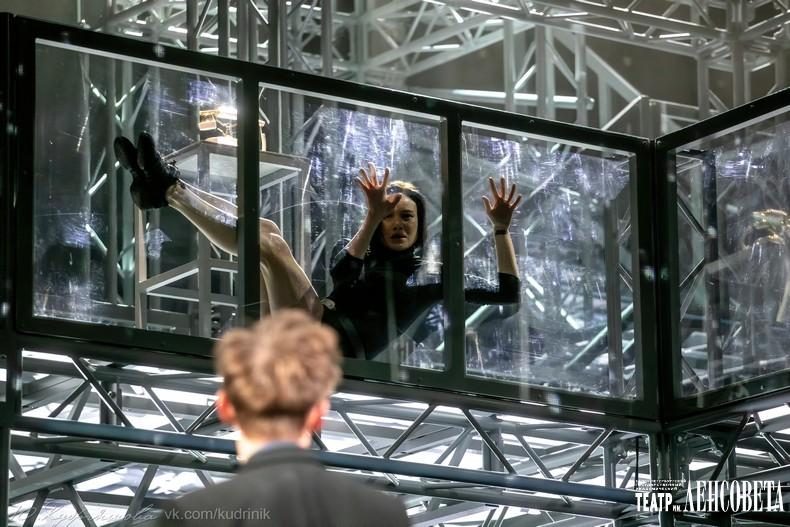
Not a recommendation but an attempt to think it through — written straight after the run at the Lensoviet Theatre.
Let's agree in advance: you'll read this and take nothing away from it. I'm very bad at telling you to go and see this play. Even now I'm writing to work something out for myself, not to pass anything on.
Take that as it is, and don't be too hard on me. In our metamodern setup it's simply too strange to say "I liked it" — the grounds for saying so have been beaten flat, and get read whichever way suits.
So I want to describe what I felt, start to finish, in more or less the way the director did. Whether you stay is up to you. If I had no stake in it myself, I'd have given up almost at once.
Start with the fact that I'd missed it. Premiere or ordinary night, I start worrying beforehand about people who are already mine and are in fact strangers. The question is how far the hours we spend in one room trying to understand the same thing actually bring us closer — when what we come away with turns out so different it's almost insulting.
The strangest part is that you can feel the room's energies, and that's also the best part of it: if we knew nothing about each other at some other level entirely, there'd be no reason to gather at all.
You could shut yourself in at home and watch the whole thing over Zoom or wherever — but that's another reality, nothing like what you feel while it's happening in front of you.
Everyone has their weak points. Maybe because I hadn't read the text first, my defences slackened and I handed myself over to the director completely. Every word spoken and every thing done began, slowly, to eat through me to the foundations.
It didn't happen all at once. Like plenty of people I started recognising myself, and others — until it got through to me that the writer had dug right in and, with nothing but plain storytelling, set out to level the lot. Which brings me back to our agreement, or rather to my right not to hand you the correct conclusions.
Because I don't know whether you need to see it, where you stand in this text, or whether the text is worth what you'd have to give up for it. At first I even enjoyed it — while gradually having to cover up a scream that had started life as ordinary laughter.
Then the pain, the confusion, no idea what to do with any of it. You've heard all of this before, in full, and it's still not clear where the great playwright is who'll finally sit everyone down with a therapist.
Every unfinished gestalt will get worked through and used up, you'll be so happy that obviously none of it can be true — so why not buy the happy seat in the stalls while you're at it? I don't want a play to be something you can just purchase. The trouble is that my own footing is too unsteady, because the world isn't what it was. And I can't always tell straight away whether I'm the injured party or plainly the villain.
Gibson's original play first opened on Broadway in 1958.
Petersburg Theatre Journal →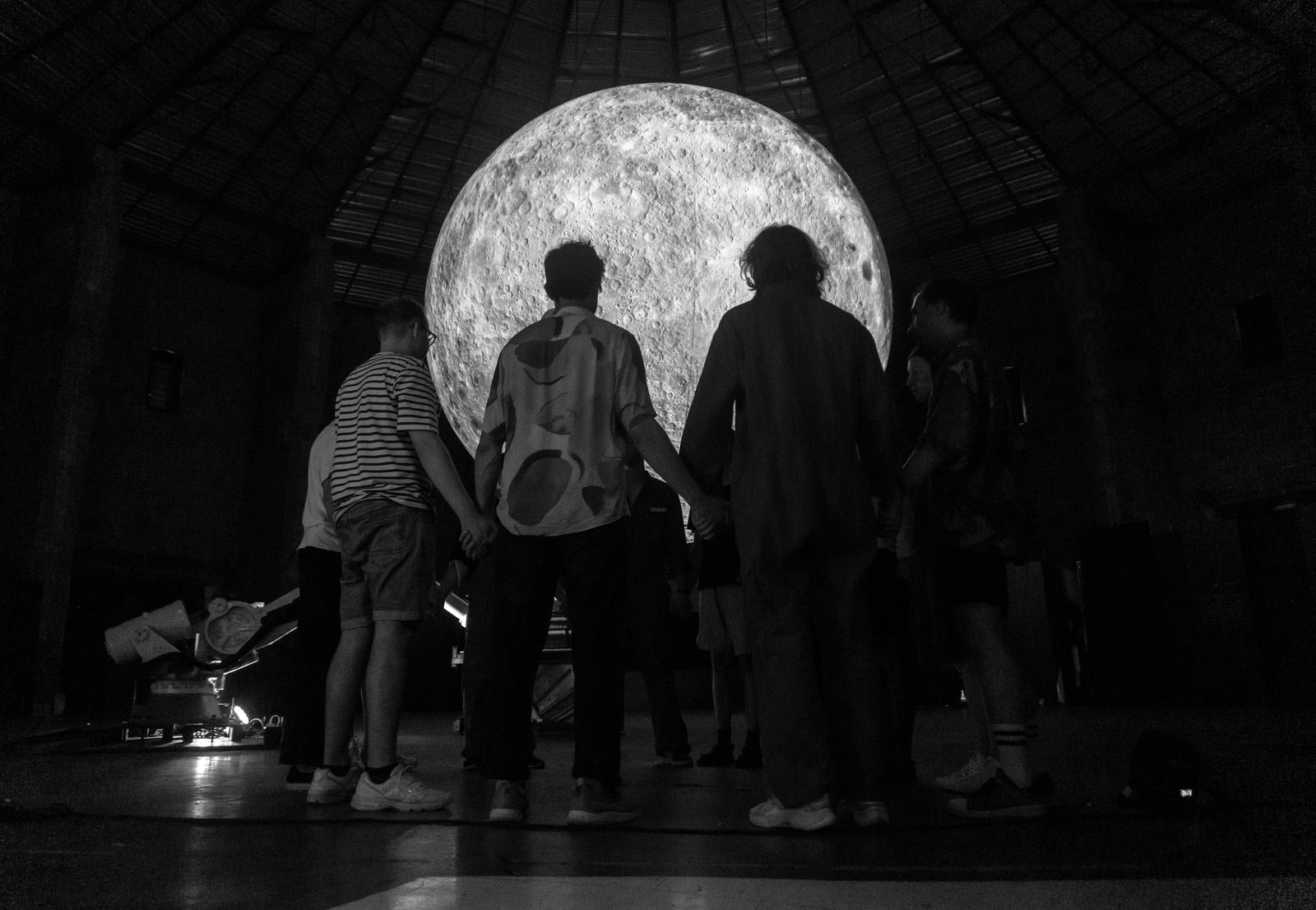
How "Robot Kostya" came about — Russia's first robotic theatre production, where it turned out Chekhovian passions were within a robot's range after all.
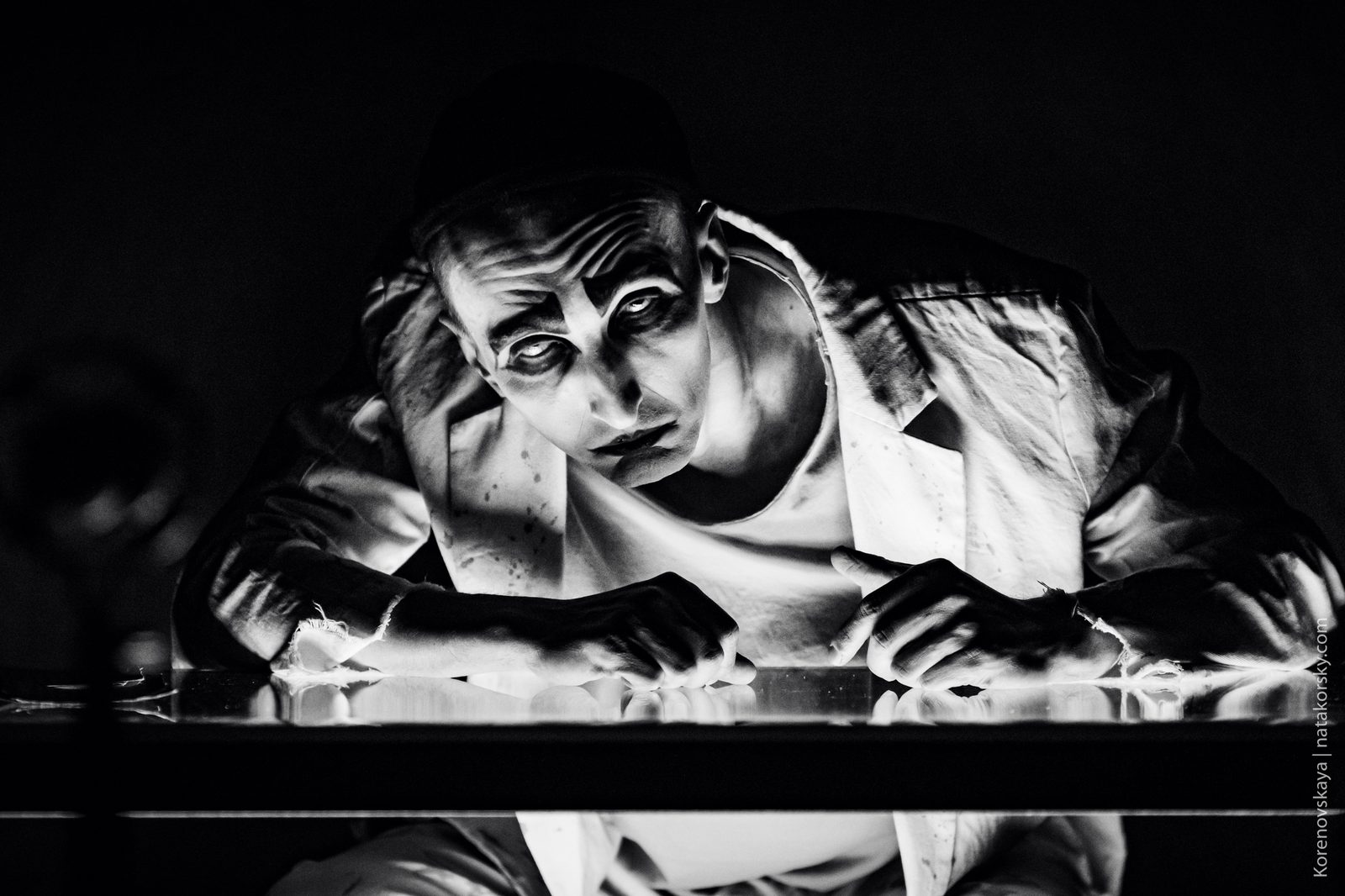
Vertinsky in the flesh on the Seventh Tier of the Alexandrinsky — and the question of how defenceless a person is, and how far shut inside their own body.
A world about to disappear, turned into an enormous tip. Not theatre for the casual, and half a manifesto for the theatregoer hidden inside a review.
What did you think of this text?
New texts go out on the Telegram channel — no algorithm, no feed.